

Why Might You Need to Access Your Roof?
Residents in Spencerport, NY might need to walk on their roofs to inspect for storm damage, clean gutters, remove debris, or check for moss and algae. While many small maintenance tasks can be performed without leaving the ground, some situations truly do require carefully stepping onto the roof. Recognizing when this is necessary and what risks are involved is critical for personal safety.
What Are the Main Safety Risks?
Walking on a roof involves real hazards, primarily due to the risk of slips and falls. The region experiences icy winters and rainy springs, so wet or icy shingles are especially dangerous. Even on a dry day, roofs are often steeper than they appear from the ground. Additional risks include damaging roofing materials, stepping on weak spots, and encountering loose debris such as leaves or branches that can shift underfoot.
How Can You Decide if It’s Safe to Go Up?
First, consider if the task truly can’t be done from the ground using tools like extension poles or binoculars. If you must go up:
- Wait until the roof is completely dry—early morning dew, recent rain, or melting snow make surfaces slippery.
- Avoid attempting roof access in high winds.
- If your roof slope looks especially steep (more than 6/12 pitch) or has complex angles, reconsider and look for alternatives.
- For homes with older or noticeably worn roofs, the underlying structure might not be stable; this calls for extra caution or contacting a qualified inspector when in doubt.
What Should You Wear or Bring for Safety?
Appropriate clothing and equipment greatly improve safety:
- Footwear: Sturdy shoes or boots with soft, rubber soles grip asphalt shingles better than hard-soled footwear.
- Gloves: Provide grip and protect hands from rough surfaces.
- A safety harness: For roofs higher than a single story, use a properly anchored fall-arrest harness if possible.
- Comfortable clothing: Avoid loose sleeves or pants that can snag, but don’t choose outfits so tight they restrict movement.
- Eye protection: Shields against dust, granules, or unexpected debris like small sticks.
How Do You Safely Get Onto the Roof?
Use a ladder that extends at least three feet above the roof’s edge:
- Place the ladder on flat, stable ground, ideally on pavement rather than soft or uneven lawn.
- Ensure the top of the ladder is secure and not resting on loose guttering.
- The most secure angle is about 75 degrees: for every four feet up, the ladder base should be one foot out from the wall.
- Always have someone steady the base, especially on uneven surfaces often found in local yards.
Before stepping onto the roof, test for firmness by gently pressing a foot down near the edge—never leap or step hard.
What Are the Best Techniques for Moving Across the Roof?
Walking safely means moving slowly and deliberately. Here are practical guidelines:
- Keep your weight centered, and always face the shingles squarely as you move.
- Take small, sure steps, sliding your feet rather than lifting them high.
- Avoid stepping on the very edge of shingles, where they are weakest and can break.
- Walk on lower points of the roof rather than the peaks whenever possible, since they are stronger and flatter.
- Use both hands to steady yourself, ideally with one hand on a rope or another secure feature.
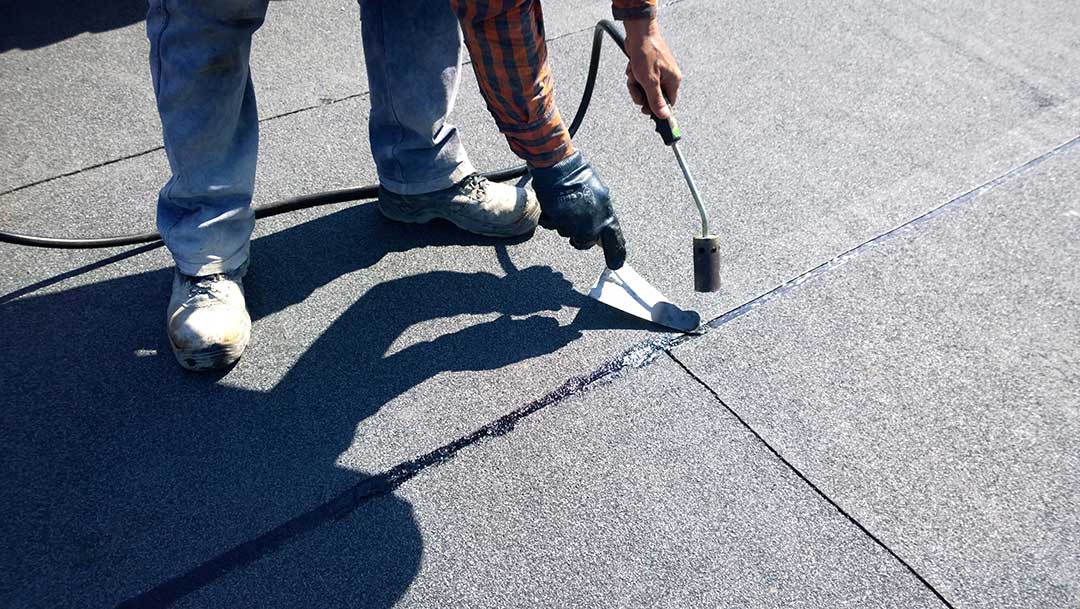
On roofs with a noticeable pitch, using roof jacks (if you are comfortable with minor installation) can create level standing areas and increase security.
What About Roof Type and Material Differences?
Most homes in Spencerport have asphalt shingle, metal, or occasionally slate roofs. Each presents its own surface hazards:
- Asphalt shingles: These provide the most grip, but granules can come loose and behave like marbles when stepped on.
- Metal roofing: Very slippery, especially when cold, wet, or dewy. Extreme caution is advised.
- Slate or tile: Prone to cracking under weight and often more brittle when temperatures drop.
Snow and ice are common for several months each year. Never attempt to walk on accumulated snow or hidden ice, even if the day appears mild—patches may remain on the cold north sides of roofs well into spring.
What Should You Avoid or Watch Out For?
Pay attention to these easily overlooked hazards:
- Skylights and vents: These can be fragile and are easily missed under leaves or dirt.
- Power lines: Some homes in the region have lines running close to or above the roofline.
- Animal nests: Squirrels or birds sometimes nest under eaves or in gutters, which might collapse or give way.
Don’t trust the surface just because it looks clean—look for soft spots, missing shingles, or patched areas that might represent weak decking underneath.
Are There Legal or Insurance Considerations for DIY Roof Work?
No specific local regulations prevent residents from walking on their own roofs in Spencerport. However, DIY roof access can affect homeowners’ insurance if injuries occur or if further damage results. Some policies exclude claims arising from homeowner repairs. If your home is part of a community association, additional guidelines or restrictions may apply, especially regarding ladder use or the appearance of roof safety equipment.
What Alternatives Exist to Minimize Risk?
Many maintenance tasks can be done from ladders or ground level using specialty tools, including long-handled gutter cleaners or cameras on extension poles. Regular visual checks with binoculars can spot issues early, reducing the need for risky climbs. For detailed inspection after severe storms or if structural concerns are noticed, it’s safest to consult an expert trained in roof safety.
