

What Are Roof Coatings and Why Are They Used?
Roof coatings are liquid-applied materials designed to protect and extend the life of existing roofing systems. They’re typically used on both flat and low-slope roofs, creating a continuous, waterproof barrier. In Spencerport, NY, where the climate offers a mix of rain, snow, and UV exposure, roof coatings can help address several local weather-related concerns by protecting against water intrusion, minimizing sun damage, and sometimes improving energy efficiency.
Do Roof Coatings Really Extend Roof Life?
Generally, roof coatings can provide extra years of service for aging roofs, but the actual benefit depends on the underlying roof condition and coating quality. By sealing minor cracks, limiting moisture infiltration, and shielding surfaces from sunlight, coatings can slow the wear process. However, they are not a fix for roofs with significant structural issues or widespread water damage.
- Well-applied coatings often provide 5–10 years of added protection.
- Effectiveness can be limited in cases where the roof has soft decking, extensive leaks, or severe surface deterioration.
- Applying coatings too late in the roof’s lifecycle typically results in minimal benefit.
Local experience suggests coatings are most successful when used proactively before problems grow.
Common Questions: Can Roof Coatings Help Prevent Leaks?
Roof coatings can help reduce minor leaks, but they are not a cure-all for every roofing problem. These products form a continuous membrane that can cover small cracks or pinholes, blocking new water entry points.
However:
- Substantial existing leaks, unseen water damage, or missing materials must be repaired before coating.
- In Spencerport, freeze-thaw cycles can challenge coatings that are not flexible or thick enough, so choosing elastic products rated for local climates matters.
- Coatings can temporarily mask leaks, making prompt inspection and preparation crucial before application.
What Types of Roofs Are Suitable for Coatings in Spencerport?
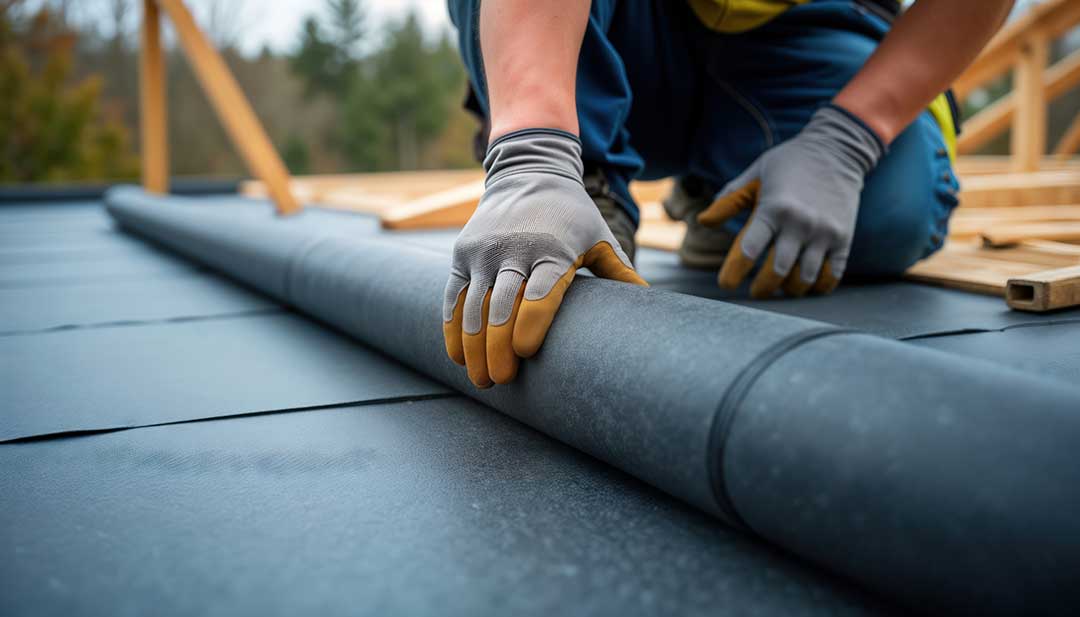
Most liquid roof coatings are used on flat or low-slope roofs made of materials like asphalt, built-up roofing, or single-ply membranes. Some coatings are also approved for use on metal and modified bitumen roofs. They’re not commonly used or particularly effective on steep residential shingle roofs, as shingles are designed for water shedding, not sealing.
- Coatings work well for some commercial properties, garages, sheds, or certain residential additions in the area.
- Homes with flat or gently sloped porches and sunrooms can benefit from coatings, especially when snow and ice can sit for prolonged periods.
What Are the Key Benefits for Residents?
Several practical benefits make coatings appealing for property owners in the community:
- Waterproofing: Flexible membranes help protect vulnerable surfaces beneath, especially after repeated freeze/thaw cycles.
- UV Protection: Local homes can be exposed to intense sun in summer, speeding asphalt roof aging; coatings with reflective properties can slow this process.
- Energy Savings: Some white or reflective coatings reflect sunlight, potentially lowering cooling needs during hot weather.
- Cost: Compared to full roof replacement, applying a coating can be less expensive, buying time before major work is required.
What Are the Downsides or Limitations of Roof Coatings?
Despite their advantages, roof coatings aren’t always a perfect solution. Local climate, roof type, and expectations make a difference:
- Durability: Cold, snowy winters and long freeze-thaw cycles in Spencerport can cause lower-quality coatings to crack or peel sooner than expected.
- Surface Prep: Coatings require thorough cleaning and surface repairs before application; skipping these steps leads to failure.
- Not Structural: Coatings won’t fix sagging, rot, or holes. They merely protect what’s already present.
- Slippery Surface: Some coatings can become slick when wet or icy, introducing a slip hazard if the roof is accessed for maintenance or snow removal.
- Maintenance: Most coatings require reapplication every several years, sometimes sooner if subjected to harsh local weather or improper installation.
- Appearance: While many coatings are neutral in color, they may not blend seamlessly with certain roof types, affecting curb appeal for some homeowners.
How Does the Local Climate Affect Roof Coating Performance?
In Spencerport, temperature swings and prolonged winter snow loads pose unique challenges. A coating that works in a milder climate may fail here if it can’t flex during freezing conditions, or if snow sits on the roof for weeks.
Look for:
- Products tested for sub-zero flexibility.
- Coatings with UV-blocking properties.
- Application timing—late spring through early fall is ideal, as daylight and temperatures influence curing and adhesion.
Are Roof Coatings Environmentally Friendly?
Most modern coatings are water-based and low in VOCs (volatile organic compounds), making them relatively safe compared to older options. By extending the roof’s life and reducing the frequency of full roof replacements, coatings can minimize construction waste.
Some cool roof coatings can also cut down on summer cooling demand, leading to energy savings. Still, proper disposal of leftover material and thorough preparation is necessary to prevent local runoff pollution.
Misconceptions and Overlooked Facts
Residents sometimes expect roof coatings to solve every roof issue or last as long as a full roof replacement. It’s important to realize coatings can’t restore a failing roof or make an old roof look brand new. Reading product labels, understanding manufacturer warranties, and realistically assessing the current roof’s condition will help set accurate expectations.
Overall, roof coatings may be beneficial for select homes and situations in Spencerport. The most success comes from applying them to roofs still in good repair and suited to the coating type chosen.
