

What Is a Roof Tear-Off, and Why Might It Be Needed?
A roof tear-off refers to the process of completely removing all old roofing materials down to the roof deck before installing new shingles or other coverings. Unlike roofing overlays—which add a new layer on top of the existing one—tear-offs allow for closer inspection of the underlying structure and help ensure the new roof lasts as long as possible. In Spencerport, NY, this approach is often recommended for older homes, heavily weathered roofs, or those experiencing leaks and persistent issues.
Many local homes, especially those built several decades ago, have undergone previous re-roofings. Building codes in the area typically do not allow more than two layers of roofing materials, making a full removal necessary once this limit is reached.
What Happens Before the Work Starts?
Before the first shingle comes off, preparation is key. Residents can expect advance planning involving schedule coordination, weather monitoring, and material delivery. In Spencerport’s climate, timing is often dictated by rain forecasts or the possibility of late spring or early fall storms. Most tear-offs are scheduled during stretches of dry weather.
Residents are advised to move cars away from the house, store patio furniture, and clear valuables or décor from exterior walls and attics, as vibrations and falling debris are inevitable. If you have pets or sensitive household members, consider making arrangements during loud or dusty periods.
How Messy and Noisy Will the Process Be?
Roof tear-offs are noisy and dusty by nature. Expect early morning starts and consistent hammering, scraping, and power tool sounds throughout much of the process. Falling debris will be directed into dumpsters or tarps placed around the home’s perimeter. In a typical Spencerport residential neighborhood, this may cause temporary parking tightness or minor traffic while dumpsters are in place.
Dust may find its way indoors, especially in attics, through vents, or open windows, so it’s wise to seal off attic hatches and keep windows closed. Some residents mistakenly believe landscaping will be perfectly protected, but while experienced crews use tarps and plywood to shield plants and flowerbeds, some trampling or stray debris is likely. Discuss site protection in advance to set realistic expectations.
How Long Does a Roof Tear-Off Usually Take?
Most single-family homes in the community require one to three days for a full roof removal and replacement, depending on the size, complexity, and weather. Larger or more architecturally complex roofs may take longer, while simple ranch homes sometimes finish in a single day.
Severe weather can cause delays. If rain arrives unexpectedly partway through the job, crews will typically secure the roof temporarily with waterproof tarps and return after conditions improve. This is especially relevant during the variable spring and autumn conditions common in the area.
What Should Residents Watch For During the Project?
At the start, expect crews to check the roof deck (the wooden boards beneath the shingles) for signs of water damage, rot, or mold. If any trouble spots are found, repairing or replacing affected areas adds time and cost but is necessary to prevent further issues.
Common misunderstandings include believing all roofs have the same underlying condition—sometimes hidden issues are only discovered after the old layers are off. In Spencerport, where ice dams or attic condensation can lead to wood deterioration, it’s wise to anticipate some repairs, especially on older structures.
Be alert for:
- Piles of debris or stray nails on walkways and lawns (post-job cleanup is standard but sometimes misses small items)
- Multiple workers coming and going, sometimes using ladders and equipment close to windows or doors
- Deliveries of materials to driveways or lawns
Open, respectful communication helps homeowners and crews handle surprises smoothly.
Are There Safety, Code, or Neighbor Considerations?
A tear-off requires strict adherence to safety regulations. Ladders, scaffolding, and fall-protection gear are standard. Children, pets, and older adults should be kept clear of the work area. In most of the community, local regulations require permits for full roof replacements, and inspections may occur at certain stages of the project.
Noise and debris can create temporary inconvenience for neighbors. Giving those next door advance notice (and maybe a heads-up about expected dumpster placement) is considerate and helps avoid misunderstandings.
What Happens After the Old Roof Is Gone?
Once the old material is removed, the roof deck will be inspected for hidden damage. Repairs, if needed, are made at this stage. Next, underlayment (like ice and water shields) is installed, which is particularly crucial in the area’s climate since ice damming is a recurring winter problem.
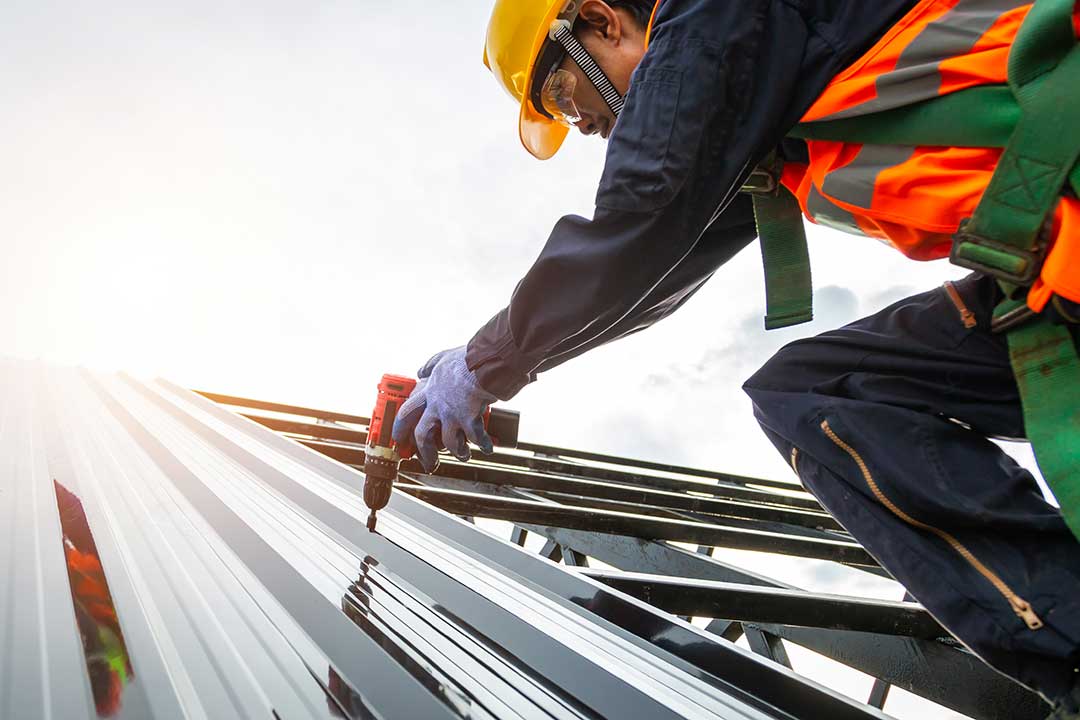
New shingles or other roofing material are installed only after all repairs and underlayments are complete. Finally, a careful cleanup takes place, often including a walk-around with magnetic sweepers to collect stray nails, and removal of the dumpster or debris.
What Surprises or Extra Costs Might Arise?
Budget-minded residents sometimes overlook the possibility of extra costs if underlying wood, flashing, or ventilation systems need repair or updating. Most professionals will note any suspected trouble spots beforehand, but not all problems are visible until tear-off day.
Examples of issues sometimes uncovered:
- Wet or rotted sheathing caused by historical ice damming
- Animal damage (such as squirrels nesting in eaves)
- Previously unaddressed leaks around vents or chimneys
Setting aside a contingency fund can make these surprises less stressful.
How Should Residents Prepare Their Home and Family?
To minimize hassle and disruption, consider these steps:
- Move cars, bikes, and outdoor gear away from the home’s perimeter
- Take down sensitive wall hangings or ceiling fixtures prone to rattling
- Cover belongings in attics or upper-story rooms with plastic sheets
- Let children and pets know to avoid work areas
Preparation not only protects your property but also helps the project run more smoothly for everyone involved.
