
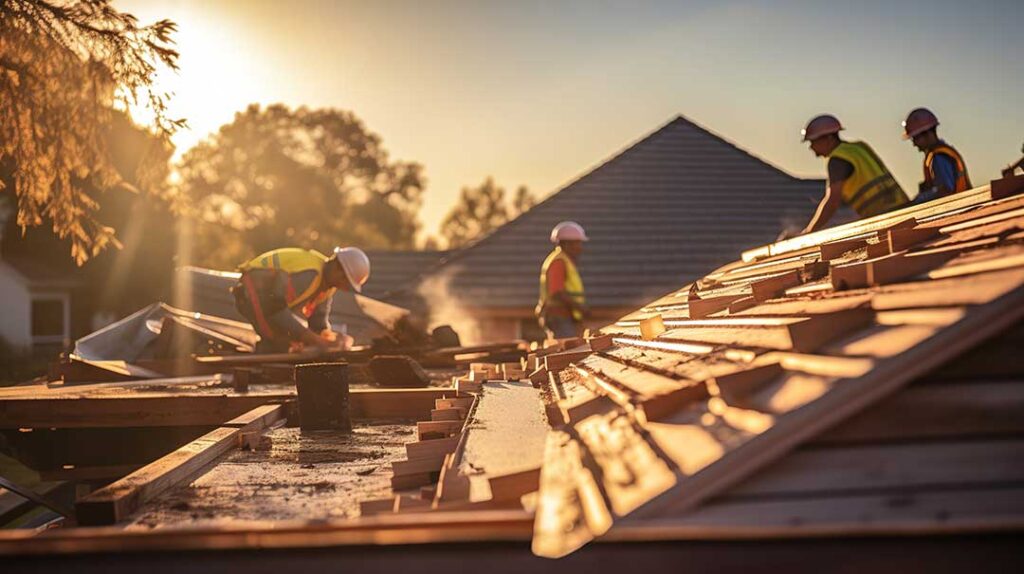
What Is Roof Decking and Why Does It Matter in Spencerport, NY?
Roof decking is the layer of material—usually plywood or OSB (oriented strand board)—that sits beneath the shingles and above the rafters of a home. For houses in Spencerport, this component is crucial. The area’s variable weather, with cold, snowy winters and warm, humid summers, can push decking to its limits.
Decking serves as the backbone for the roof: it provides support for shingles, acts as a moisture barrier, and helps maintain structural integrity. If the decking weakens or sustains damage, the rest of the roof may quickly follow.
How Can Water Stains or Sagging Ceilings Signal a Decking Issue?
Water stains on ceilings or sagging sheetrock indoors often mean more than a minor leak. In Spencerport, sudden thaws or windy rainstorms can push water under shingles. If decking is compromised, moisture finds its way through, leading to:
- Brown, yellow, or grey stains growing on ceilings
- Damp, soft, or bulging spots in ceilings or upper walls
- Paint or plaster bubbling or peeling
These signs point to possible roof decking failure, not just surface shingle problems. Left unchecked, the wood underneath can rot or delaminate, risking further leaks or roof collapse.
Do Musty Odors or Mold Spots Point to a Decking Problem?
Musty smells or moldy spots in attics and upper rooms are a frequent result of moisture trapped against roof decking. In Spencerport, condensation can build up, especially when attics are poorly ventilated after winter storms. Watch for:
- Persistent musty or wet-earth odors upstairs or in attic spaces
- Visible mold or mildew spreading across rafters, insulation, or sheathing
- Dark streaks or spots where boards meet
Mold growth often means that decking has either absorbed water or is not drying out properly, signaling hidden long-term damage. Residents should never ignore these warning signs, as long-term exposure can pose health risks and hasten wood decay.
Why Does a Roof Appear Uneven or Wavy From the Outside?
An uneven, rippled, or wavy roofline is a classic external symptom of underlying decking trouble. In the Spencerport climate, moisture gets into roof layers during freeze-thaw cycles, weakening structural elements:
- Sagging patches between shingles, especially after snow loads
- Uneven lines visible from the street or driveway
- Bulges or low spots across sections that previously looked flat
Such changes often happen gradually, so periodic visual checks, especially after winter, help spot trouble early.
Are Loose or Popping Nails Related to Decking Issues?
Unexpected pops or visible nails working their way up through shingles usually hint at shifting or deteriorating decking. This problem shows up in two ways:
- Shingle nails that sit too high, sometimes called nail pops, making them vulnerable to wind damage
- Bits of rusty nail or fasteners found around the base of the home
In Spencerport, cycles of freezing and thawing can cause minor wood movement. When nails start loosening en masse, it often means the roof deck isn’t holding as it should, possibly due to rot or warping.
How Can You Check for Decking Problems Safely?
Examining the deck directly is tricky for most people, as it means going into the attic or walking on the roof, which carries risks.
Practical steps local residents can take safely include:
- Look in the attic with a flashlight for daylight peeking around nails, vent penetrations, or roof edges—light means gaps in the deck
- Press gently on suspect ceiling spots; a soft feeling could signal water absorption upstairs
- Monitor energy bills—worsening insulation due to moist or damaged decking can spike heating costs during the long winters in the area
If structural safety is in doubt—such as widespread sagging, severe rot, or signs of collapse—repairs should be limited to inspection by qualified personnel.
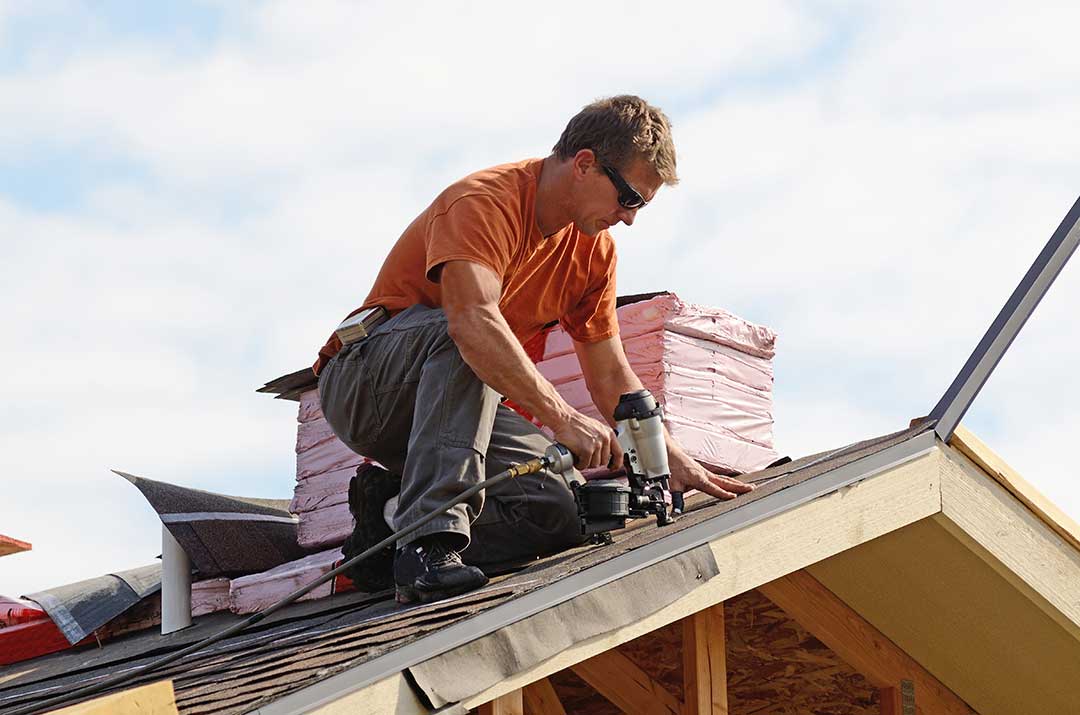
Is It Common for Roof Decking to Be Overlooked During Shingle Replacement?
It’s a common misconception that replacing shingles automatically addresses all roof issues. In reality, the deck is not always replaced unless obvious problems are found during tear-off.
Some signs might be missed if only the surface is checked:
- Old stains or rot hidden by underlayment
- Decking that is only partly exposed during repairs
- Edges that look intact while the center boards are soft
For homes in Spencerport, repeated shingle replacements without proper deck assessment can allow old damage to remain undetected.
How Does the Local Climate Affect Roof Decking Longevity?
Spencerport’s climate—with harsh winters, substantial snowfall, and humid summers—adds stress to every part of a roof. The freeze-thaw cycle is especially challenging for wood materials. Local factors that affect roof decking include:
- Heavy snow sitting on roofs for weeks, increasing moisture risk
- Ice damming that sends water backward under the shingles
- Spring and fall storms that cause wind-driven rain leaks
- High humidity in summer, leading to possible condensation against decking
Homes built before modern ventilation or underlayment standards may face higher risk, making regular attics inspections especially valuable.
What Are Some Overlooked Signs That Decking Needs Attention?
Some symptoms are often mistaken for unrelated issues but may indicate deeper problems with roof decking:
- Persistent ice dams, even when gutters are clear
- Animals or insects nesting in attic spaces (often due to rot)
- Unusual creaking or popping noises during winter temperature swings
Each of these may signal there are hidden vulnerabilities in the roof structure.
What Should Area Households Do If Signs of Deck Trouble Appear?
Once signs are spotted—such as moisture stains, sagging, musty smells, or nail pops—addressing the issue quickly is best. Minor repairs and early intervention can often prevent the need for bigger, more costly fixes. For Spencerport residents, paying attention to seasonal changes and remaining alert to subtle shifts in roof or attic appearance is the surest way to extend roof life and reduce long-term home repair headaches.
