
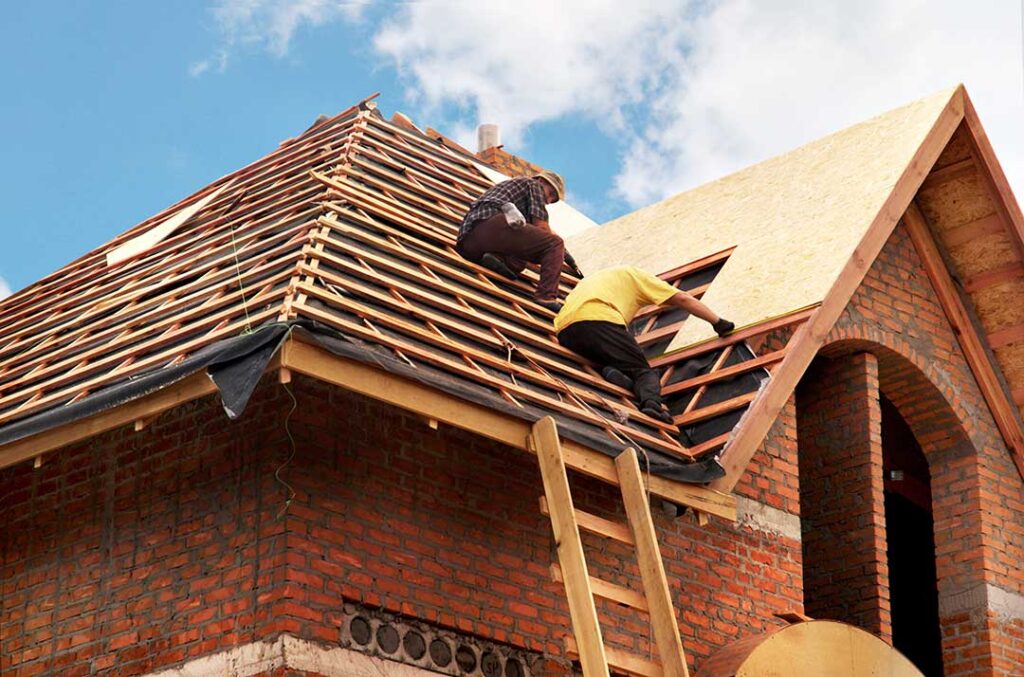
A roof can look new from the ground and still have installation defects that shorten its service life. In Spencerport, NY, heavy snow, freezing temperatures, wind, rain, and repeated seasonal changes can expose poor workmanship sooner than a mild climate might.
What are the earliest signs of a poorly installed roof?
The first warning signs are often small and easy to dismiss: uneven shingles, exposed fasteners, loose flashing, poor attic ventilation, or water stains that appear after rain. These problems may not cause an immediate leak, but they can allow moisture and wind to damage the roof assembly over time.
Look for visible irregularities such as:
- Shingles that appear wavy, buckled, crooked, or poorly aligned
- Uneven courses, with some rows noticeably higher or lower than others
- Shingle edges that do not lie flat
- Excessive amounts of roofing cement or sealant
- Nails or fasteners visible where they should be covered
- Exposed underlayment, gaps, or unfinished edges
- Drip-edge metal that is missing, loose, or installed unevenly
A few irregularities may result from age or storm damage, but widespread problems across a recently installed roof can point to installation quality rather than ordinary wear.
How can shingle placement reveal installation mistakes?
Asphalt shingles are designed to overlap in a specific pattern so water flows downward without entering the layers below. If shingles are misaligned, under-nailed, over-nailed, or installed without proper sealing, the roof becomes more vulnerable to wind and water intrusion.
Signs of concern include shingles that:
- Do not line up with the starter course or surrounding rows
- Have exposed nail heads in the field of the roof
- Are missing nails along the manufacturer’s designated fastening area
- Have nails driven too deeply, cutting through the shingle material
- Have nails driven too high, leaving part of the shingle unsecured
- Lift easily at the corners or edges
- Show adhesive strips that never sealed properly
In a snowy, windy winter, improperly secured shingles may lift or tear away. Even if no shingles are missing, small gaps can allow wind-driven rain to reach the underlayment and roof deck.
Do not climb onto the roof to check these details. A roof surface can be slippery even when it looks dry, and damaged shingles may not support foot traffic safely. Binoculars or photographs taken from the ground can provide useful information without creating another hazard.
What does bad flashing look like?
Flashing directs water away from joints, openings, and changes in the roof’s shape. It is commonly used around chimneys, skylights, vents, walls, valleys, and roof edges. Poorly installed flashing is a frequent cause of leaks because these areas receive concentrated runoff.
Warning signs include:
- Metal flashing that is bent, rusted, loose, or separated from the roof surface
- Sealant being used as the main defense instead of properly integrated flashing
- Gaps where flashing meets a wall or chimney
- Missing step flashing along sidewalls
- Flashing that ends above the expected water flow instead of directing water away
- Open or poorly finished valleys where two roof slopes meet
- Roof materials installed directly against masonry or siding without a visible water-shedding detail
Sealant can deteriorate from ultraviolet exposure, temperature changes, and movement in the building. It may be useful as part of a properly designed detail, but thick beads of caulk should not be treated as a substitute for correctly installed metal or membrane flashing.
Can attic conditions reveal a roof installation problem?
Yes. The attic may show problems before the exterior does. A roof can appear intact while moisture is entering around fasteners, valleys, vents, or flashing.
Check the attic only from a stable, accessible area and avoid stepping between ceiling joists. Useful warning signs include:
- Damp or darkened roof sheathing
- Water stains on rafters or trusses
- Mold-like growth caused by persistent moisture
- Rusted nails or metal connectors
- Wet insulation or compressed insulation
- Daylight visible through areas that should be sealed
- A strong musty odor after wet weather
- Frost on the underside of the roof deck during winter
Not every attic moisture problem is caused by a roof leak. Inadequate ventilation, warm air escaping from the living space, bathroom exhaust venting into the attic, and blocked soffit vents can also create condensation. Proper diagnosis requires considering both water entry from above and moisture movement from inside the home.
Why is roof ventilation part of installation quality?
A roof system needs balanced ventilation, usually with intake near the eaves and exhaust near the upper roof. The purpose is to reduce heat and moisture buildup beneath the roof covering.
Poor ventilation may contribute to:
- Premature shingle aging
- Buckling or distortion
- Ice dams during freeze-and-thaw conditions
- Condensation on the underside of the roof deck
- Uneven temperatures across the roof
- Higher moisture levels in the attic
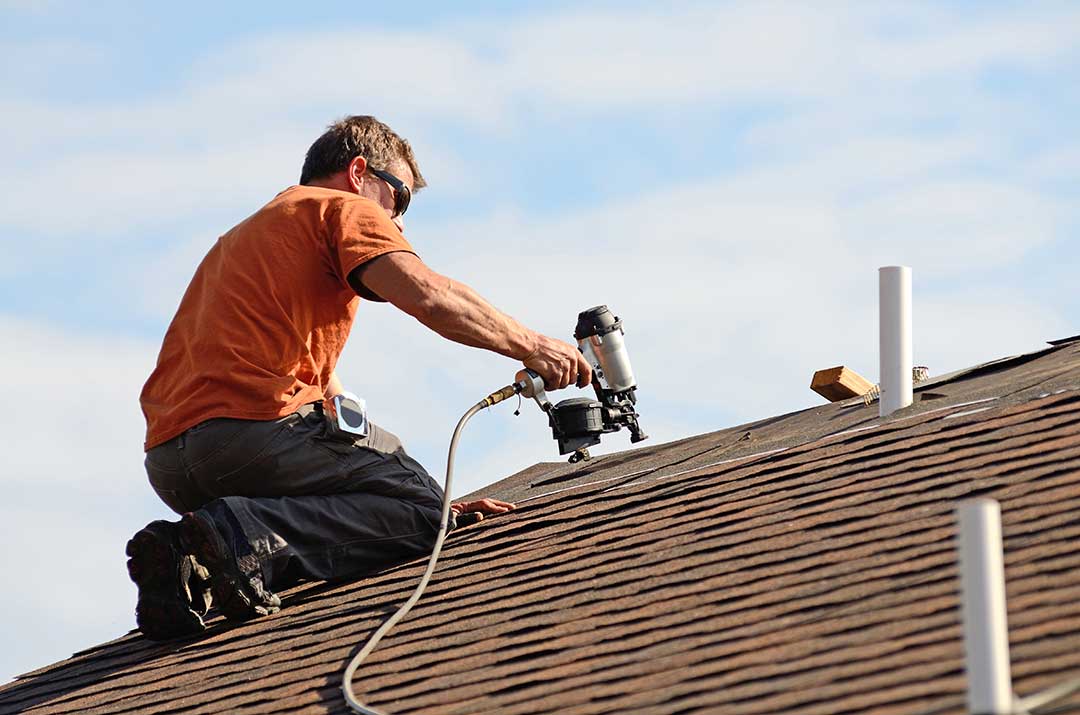
Adding an exhaust vent without adequate intake ventilation may not solve the problem. Likewise, covering or blocking soffit vents with insulation can restrict airflow. In older homes, ventilation details may also be affected by additions, roof extensions, or attic conversions.
Winter conditions make this especially relevant for area households. Snow on a roof is not automatically evidence of a ventilation defect, but repeated ice buildup along the eaves, especially when paired with attic frost or interior ceiling stains, deserves attention.
What interior signs suggest an installation defect?
Interior evidence often appears near the ceiling or upper walls. A small stain may indicate a leak that is intermittent rather than minor.
Watch for:
- Brown or yellow ceiling discoloration
- Peeling paint or bubbling drywall
- Damp trim near exterior walls
- Drips around skylights, chimneys, or ceiling penetrations
- Water stains that appear after wind-driven rain
- Repeated stains that return after they have been painted
- Attic insulation that becomes wet in the same location
The location of a stain does not always match the location of the roof defect. Water can travel along rafters, roof decking, insulation, or framing before entering the living area. For that reason, applying paint over a stain without finding the source may conceal the symptom while moisture continues to spread.
How can homeowners distinguish poor installation from normal aging?
Age-related wear usually develops gradually and tends to affect exposed surfaces consistently. Installation problems may appear early, occur in concentrated areas, or follow specific construction details.
A recently installed roof deserves closer review if it develops:
- Leaks during ordinary rain
- Shingle blow-offs during moderate wind
- Widespread curling or buckling
- Persistent ponding near a low-slope section
- Ice-dam problems that were not present before
- Flashing failures around multiple penetrations
- Interior moisture soon after completion
Storm damage can produce similar symptoms, so timing and weather history matter. Photographs taken before and after major weather events can help separate installation issues from later damage.
Which problems require prompt attention?
Active leaks, exposed roof decking, missing sections of roofing, loose metal, and sagging areas should be treated as urgent because moisture can damage insulation, framing, electrical components, and interior finishes.
During severe weather, keep people away from visibly sagging ceilings and place containers beneath active drips if doing so is safe. Avoid entering areas where water may have reached electrical fixtures. Temporary measures such as a properly placed tarp may reduce additional exposure, but walking on a wet or damaged roof creates significant fall risk.
Documentation is also useful. Keep dated photographs, note when leaks occur, record weather conditions, and preserve installation paperwork. These records can help determine whether the issue relates to workmanship, materials, building movement, ventilation, or later storm damage.
A properly installed roof should shed water, resist expected wind and snow conditions, and include durable transitions around edges, valleys, walls, and penetrations. Small visual defects are worth investigating before they become concealed moisture damage, particularly in a climate with long winters and frequent freeze-and-thaw cycles.
