

What Are the Main Ways Local Residents Can Pay for a New Roof?
Paying for a roof replacement is a major expense for many households in Spencerport, NY. Most residents consider several options, including savings, loans, or specialty financing plans, to address this cost. Some solutions fit certain incomes and home equity situations better than others.
Most homeowners in the city either use:
- Personal savings or reserve funds
- Home equity loans or lines of credit
- Unsecured personal loans
- Credit cards (for smaller repairs or down payments)
- Insurance payouts (if roof damage is storm-related and covered)
- Government or community programs (rare, but possible for low-income or senior residents)
Before deciding, it’s wise to assess monthly budgets, current interest rates, and how quickly a new roof is needed.
Can Home Insurance Help Pay for a New Roof?
Sometimes, but only under specific conditions. Homeowners insurance typically covers roof replacement if damage is sudden and caused by events like wind, hail, or fallen trees. Aging or poorly maintained roofs are generally not covered.
Local residents should:
- Review their policy’s exclusions around “wear and tear”
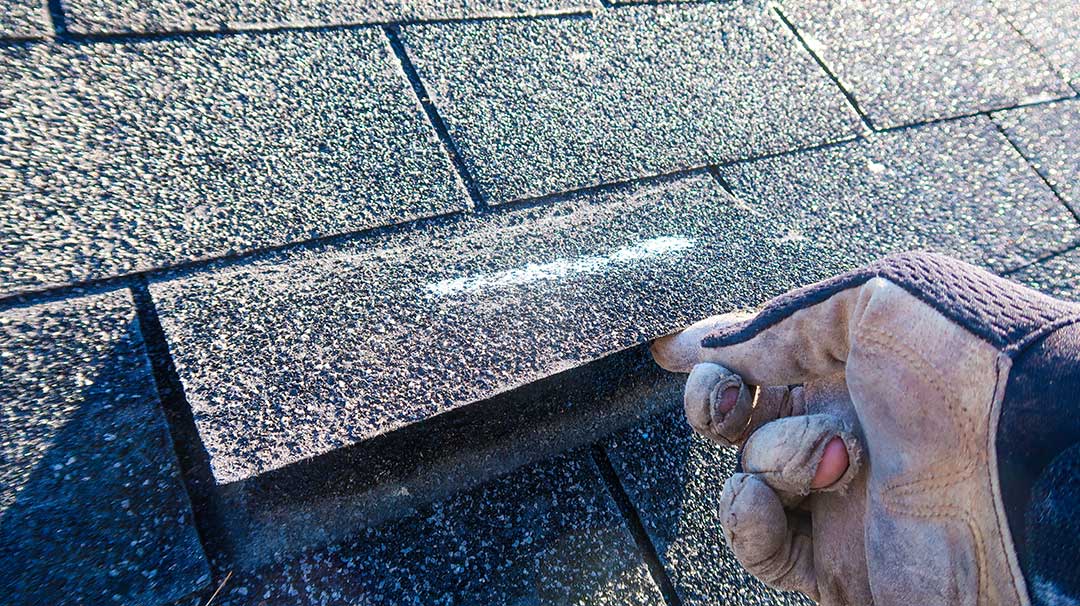
- Take photos and document any storm damage
- Expect an adjuster to inspect the roof before approving a claim
Insurance reimbursement is rarely immediate, so most use other payment methods initially and seek reimbursement after approval.
How Do Home Equity Loans or HELOCs Work for Roof Costs?
A home equity loan or line of credit (HELOC) allows homeowners to borrow against their home’s value, using the house as collateral. This option is common for major repairs in Spencerport, especially for those who have built up equity over time.
- Home equity loans give a lump sum at a fixed rate, usually repaid over 5-15 years.
- HELOCs function like a credit card, allowing you to borrow as needed during a draw period with flexible repayment.
Eligibility depends on:
- Sufficient equity (often at least 15-20% of the home’s value)
- Creditworthiness and income
- Current mortgage balance
Because your home secures the loan, failure to repay could result in foreclosure. However, these loans often have lower interest rates than unsecured loans or credit cards.
Are Personal Loans an Option for Roof Replacements?
Yes, many local banks and credit unions offer unsecured personal loans for home repairs, including roofing projects. These loans are based on credit rating and income rather than home equity. Application and approval tend to be quick.
Benefits include:
- Fixed repayment terms, usually 2–7 years
- No risk to homeownership if payments are missed (unlike home equity loans)
- Useful for residents without sufficient equity or those seeking a smaller loan
Interest rates are generally higher than home equity products, especially if credit is limited. Always compare terms.
Should Credit Cards Be Used for Roofing Costs?
Credit cards may be used for small repairs, deposits, or when bridging short-term gaps. They’re rarely the best solution for a full roof replacement because:
- Interest rates are often high
- Large balances may affect credit utilization and future borrowing power
In emergencies or when the project is relatively minor, some homeowners use cards with introductory zero-interest offers and plan to pay off the balance before the promotional period ends. This approach requires discipline and a firm repayment plan.
Are Any Local or Government Assistance Programs Available?
While large-scale grants are rare in this area, a few targeted options occasionally exist:
- Weatherization or energy-efficiency grants for income-qualified residents
- Low-interest loans or deferred payment arrangements through county housing programs
- Nonprofit or community agency support for essential repairs in hardship cases
Eligibility often depends on income, age, disability, or emergency status. Applicants should carefully confirm requirements and application periods, as these programs may not be available year-round.
What Are Common Mistakes When Financing a New Roof?
Area homeowners sometimes underestimate costs or overestimate how quickly they’ll repay borrowed funds. Common pitfalls include:
- Overextending with high-interest debt
- Failing to budget for unexpected repairs or code upgrades discovered during roof work
- Missing insurance claim deadlines after storm events
- Assuming insurance will cover an older or poorly maintained roof
Comparing offers and reading all loan documents can help avoid unpleasant surprises later.
How Can Residents Decide Which Option Is Best?
The right choice depends on each family’s financial situation, the urgency of roof replacement, and available resources. Practical steps include:
- Getting a clear, written estimate of roof costs, including potential extras (such as replacing decking or addressing ventilation)
- Reviewing monthly budgets and all current debts
- Comparing total costs over the life of each loan, not just monthly payments
- Considering how quickly the project needs to be completed, and whether weather poses added urgency in the region
Those unsure about particular loan terms, eligibility for assistance, or insurance coverage can contact local housing nonprofits or read up on trustworthy consumer resources before proceeding.
