
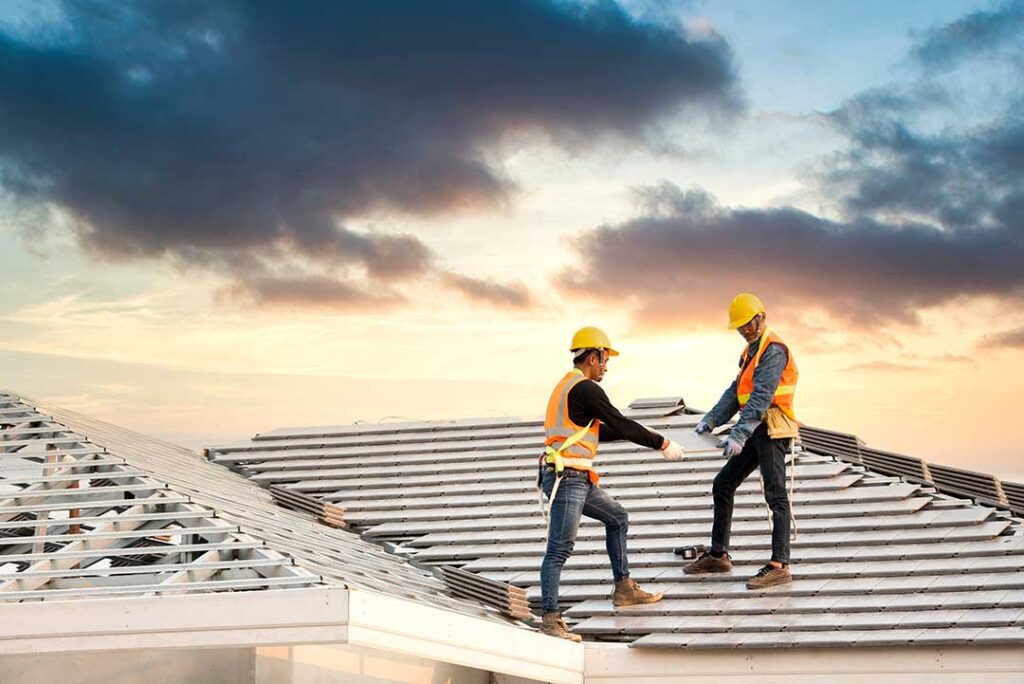
Why Is Roof Protection Necessary During Renovations?
Renovating a home can place unexpected strain on a roof. Many projects around the house, even those not directly involving the roofing, can risk roof damage if not carefully managed. In areas like Spencerport, NY, where seasonal weather shifts are common and most homes rely on asphalt shingle or composite roofs, it's especially important to take steps that prevent leaks, punctures, or structural issues during upgrades.
What Are the Main Risks to Roofing During Home Improvements?
Home improvement activities often introduce risks that most residents do not anticipate. Some of the most common threats include:
- Falling debris – Shingles, flashing, and gutters can be damaged by tools or construction debris.
- Ladder placement – Repeated setup and movement of ladders can crack or dent roof edges and gutter systems.
- Foot traffic – Extra weight or careless step patterns from workers may dislodge shingles or compress insulation beneath.
- Dust and debris – Sawdust or particles from interior renovations can clog gutters, especially with the wind patterns typical in the Spencerport area.
- Weather exposure – Openings left for new skylights or vents may allow rain or melting snow to enter if left unprotected, especially during shoulder seasons.
Understanding these risks helps homeowners plan for proper protection methods and minimizes costly repairs.
How Should Spencerport Residents Prepare Before Construction Starts?
Preparing for renovations requires communication and simple preventive measures. Start by reviewing the project’s scope. Even interior work (like attic insulation upgrades) can affect the roof. Before any work begins:
- Walk the property with your contractor to highlight areas of concern, especially older or previously repaired roof sections.
- Take clear “before” photos of the roof condition from multiple angles; these help document any future changes for comparison.
- Verify weather forecasts to avoid scheduling major roof-exposing projects during likely rain or snow events, which are common in Spencerport’s spring and fall.
Cover roof surfaces and attic openings using tarps or plywood if any demo will occur nearby. Ensure materials used for protection are weighed down safely and do not rest directly on fresh shingles for extended periods.
What Types of Roof Protection Materials Are Effective?
Residents have several accessible options for temporary roof protection during renovations. Local hardware shops often carry:
- Heavy-duty tarps, which deflect both water and debris
- Exterior-grade plywood for short-term coverage against physical impacts
- Roofing felt or synthetic underlayment for projects where temporary removal of shingles is necessary
Each material has its best use. For most area households:
- Use tarps secured with wood strips or weighted objects (not nails) during brief exposures.
- For longer renovations near the attic or eaves, overlap tarps down to the gutter level and make sure drainage is not blocked.
- During snowy months, clear snow from the protection periodically so extra weight doesn’t compromise roof structure or flashing.
How Can You Limit Damage from Foot Traffic During Upgrades?
Even experienced renovators sometimes overlook the cumulative effects of repeated walking on a roof. To help prevent unnecessary damage:
- Limit roof access to only those who need it.
- Encourage “walk zones” — preplanned paths away from fragile areas such as valleys or ridge caps.
- Lay out foam pads or temporary walkboards where frequent access is unavoidable, which distributes weight and reduces the pressure on any single shingle.
Locally, homes with roofs more than 15 years old are more susceptible to denting or granule loss, making careful movement especially worthwhile.
What Roof Areas Are Most Vulnerable During Interior Work?
Surprisingly, even purely indoor renovations can create risks for specific roof areas. For example:
- Attic conversions or insulation upgrades can disturb vent pipes or existing seals, occasionally opening minor gaps.
- Ceiling repairs sometimes involve moving or drilling near bathroom or kitchen vents, which can loosen flashing on the outside.
Residents should check attic spaces after major renovation days, especially for daylight showing at roof penetrations or any sign of water entry after precipitation.
How Does Spencerport’s Weather Influence Roof Protection During Renovations?
Spencerport’s humid summers, snowy winters, and sudden spring rainstorms mean that local homeowners must plan for rapid weather changes. Even with tarps or plywood, gaps or pressure points can appear quickly in high wind or after a thaw.
Practical weather-related precautions include:
- Checking all protective covers after every storm and readjusting as needed.
- Avoiding scheduling major works that leave the roof exposed during the “transition months” (March–April and October–November) when surprise showers are common.
- Installing temporary gutter guards to catch extra debris generated during construction, as clogged downspouts can quickly lead to ice dams or leaks.
What Are Common Mistakes Residents Make During Home Renovations?
Mistakes often stem from underestimating how renovations can affect the roof. Common issues include:
- Failing to check roof condition before work starts, missing preexisting weaknesses that are then blamed on construction
- Ignoring gutters and downspouts, which often become clogged or dented
- Assuming all roofing materials are equally sturdy — older asphalt shingles, for instance, are less resilient to impact and compression than new architectural shingles
Taking small steps such as documenting pre-construction conditions and checking after major weather events can prevent most ongoing issues.
How Can You Safely Address Roof Concerns Uncovered During Renovation?
If damage or a suspected leak arises, temporarily patch from inside using plastic sheeting or tape until the area is safe and dry enough for inspection. If electrical or extensive structural questions come up (as can happen during attic or electrical upgrades), local code may require validation by a qualified inspector before any repairs.
Staying proactive by conducting property walkthroughs after each phase — especially after storms or periods of high construction activity — helps area homeowners minimize long-term roof costs and protect investments through all stages of home upgrades.
