
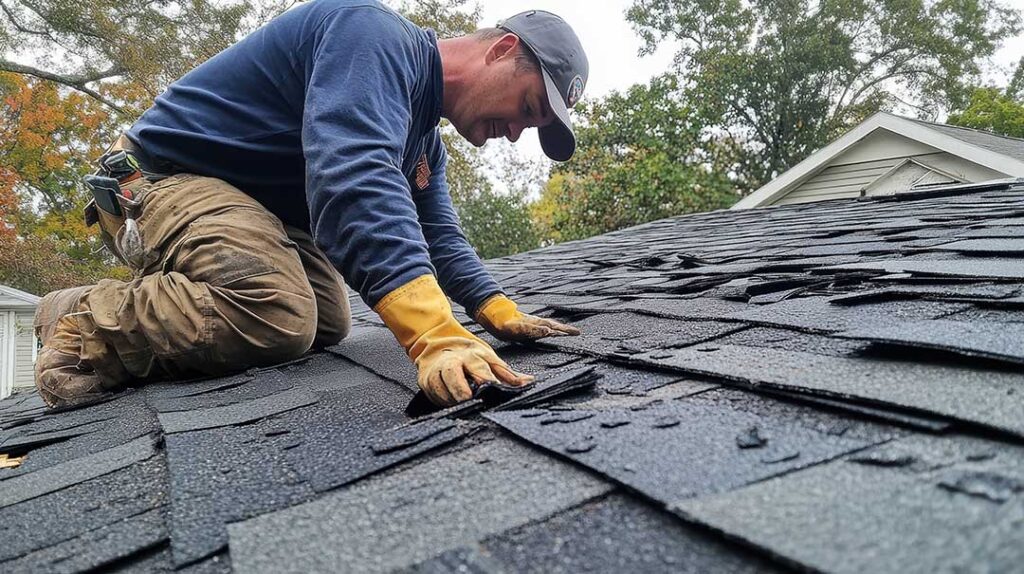
Replacing only part of a roof can be practical, but matching the new shingles to the existing roof is rarely as simple as finding the same color name. Asphalt shingles change over time because of sunlight, weather, temperature swings, algae, dirt, and normal aging. Even shingles from the same manufacturer may look different after several years of exposure.
For households in Spencerport, NY, the goal is usually not a perfect laboratory match. The goal is a repair that blends reasonably well, protects the roof, and avoids creating a larger problem by mixing incompatible materials.
Can replacement shingles ever match perfectly?
Usually, no. A close match is possible, especially when the existing shingles are relatively new, but older shingles often fade or weather unevenly. The exposed surface may no longer resemble the original color shown on the packaging or in a product catalog.
Color is only one part of the match. A replacement shingle should also be compared for:
- Manufacturer and product line
- Shingle profile and thickness
- Exposure, or the visible portion of each shingle
- Tab or architectural design
- Granule size and distribution
- Surface texture and shadow lines
- Wind-resistance and installation requirements
A shingle that looks similar from a distance may still create an obvious patch if its dimensions or shadow pattern differ from the surrounding roof.
How should the existing shingles be identified?
Start with the roof itself rather than relying on memory. Look for any leftover bundles, invoices, repair records, or permit-related documents stored with the property records. Packaging may show the manufacturer, product name, color, bundle coverage, and product code.
If no records remain, examine the shingles carefully. Useful details include:
- Whether the shingles are three-tab or architectural
- The approximate number of years since installation
- The shape and size of the tabs or laminated sections
- The visible exposure between horizontal courses
- The color blend, including darker and lighter granules
- Any printed markings on the underside of loose or damaged shingles
A loose shingle found in a garage, attic, shed, or basement may be more useful than a roof sample because it has not been exposed to weather. However, it should still be compared with the installed roof to determine whether it belongs to the same replacement cycle.
Why does the same shingle color look different after a few years?
Shingles are exposed to ultraviolet light, rain, snow, ice, wind-driven debris, and repeated freezing and thawing. These conditions gradually alter their appearance. Dirt can darken some areas, while moss or algae may create streaks or greenish discoloration. Shingles under tree cover may weather differently from those in full sun.
Roof sections can also age at different rates. A south-facing slope may fade more quickly than a shaded slope. Areas below roof valleys, near chimneys, or beneath overhanging trees may collect more moisture and debris.
For that reason, a new bundle with the same color name may appear brighter, darker, or more saturated than the installed shingles. Looking at a small sample in a store or under indoor lighting can be misleading. Comparison should take place outdoors, with the sample held against several nearby shingles and viewed from ground level as well as close up.
Is it better to match by color or by age?
Age is often more useful than color alone. If the existing roof is near the end of its expected service life, a small repair may not blend well and may not last as long as the surrounding material. New shingles can remain noticeably different while older shingles continue to weather.
A practical evaluation considers:
- The approximate installation date
- Whether the roof has had previous repairs
- The condition of the surrounding shingles
- The cause and size of the damaged area
- Whether the roof has widespread curling, cracking, granule loss, or brittleness
- The condition of flashing, underlayment, vents, and roof edges
If only a few shingles are damaged and the rest of the roof remains flexible and sound, matching individual shingles may be reasonable. If the shingles are brittle across a broad area, removing nearby material for a patch can cause additional breakage.
What if the original shingle is discontinued?
Discontinued shingles are common, particularly on older homes. A replacement may be found through unused inventory, leftover material from the original installation, or a compatible product with a similar profile. The closest visual match is not always the safest technical match.
Before combining products, compare:
- Shingle dimensions
- Required nail placement
- Self-sealing strip location
- Minimum roof slope
- Underlayment requirements
- Wind and weather exposure ratings
- Compatibility with existing flashing and ventilation details

Different shingle designs may not interlock or seal properly when placed in the same course. A visually close product can still create raised edges, exposed nail lines, uneven drainage, or weak wind resistance.
Can shingles from different manufacturers be mixed?
They can sometimes be used on the same roof, but mixing them within one repair area requires caution. Manufacturers design shingles around particular dimensions, installation lines, sealant locations, and exposure measurements. Two products that look alike may not install in the same way.
Mixing products is more likely to be acceptable when they are separated by a natural roof boundary, such as a distinct slope or an addition, rather than interwoven course by course. Even then, technical compatibility matters more than color.
The existing roof should not be altered simply to make a color match if doing so would damage sound shingles or interfere with water-shedding details.
How can a patch be made less noticeable?
A repair generally blends best when it follows the existing layout. Removing and replacing a complete section may produce a more consistent appearance than inserting a small rectangle of contrasting shingles. However, expanding the repair can disturb shingles that are still serviceable.
Color variation can sometimes be reduced by using shingles from several bundles rather than installing one bundle in a concentrated block. New shingles may also weather toward a closer appearance over time, although there is no guarantee that the change will be uniform.
Avoid painting, staining, or coating asphalt shingles to force a color match. These treatments can interfere with drainage, sealant, granule retention, and future repairs.
What local conditions should be considered?
Seasonal weather affects both the appearance and installation of replacement shingles. Cold conditions can make asphalt shingles stiff and more prone to cracking during removal. The self-sealing strips may also require warmer conditions and sunlight before they bond properly.
In Spencerport, snow, ice, wind, and freeze-thaw cycles make water-shedding details especially important. A repair should preserve the roof’s existing courses, valleys, penetrations, eaves, and flashing rather than focusing only on surface color.
After storms, temporary coverings or emergency patches may leave adhesive residue, lifted granules, or damaged sealant. Those areas should be examined before new shingles are selected because the repair may involve more than replacing visible tabs.
When is a full replacement more sensible than a patch?
A full replacement may be more practical when damage is widespread, the roof is near the end of its service life, or suitable matching shingles cannot be found. It can also make sense when the existing shingles are brittle enough that nearby removal causes repeated breakage.
Warning signs that a small patch may not solve the underlying problem include:
- Numerous missing or cracked shingles
- Granules collecting heavily in gutters
- Curling or clawing along many courses
- Repeated leaks in different locations
- Soft decking or sagging areas
- Failed flashing around roof penetrations
- Large storm-damaged sections
The right choice depends on the condition of the entire roof, not just the most visible damaged spot. A good match should provide both a reasonable appearance and a sound, compatible roofing assembly.
