

How Do Roof Shapes Impact the Overall Look of Homes in Spencerport, NY?
The silhouette of a roof arguably defines a home more than any other exterior feature. In Spencerport, NY, the roof’s profile often signals the era of construction, architectural style, and sometimes even the lifestyle within. Whether steeply pitched or nearly flat, roof shapes transform not just curb appeal, but also the character of neighborhoods—especially in areas where traditional and modern homes coexist.
A gable roof, with its familiar triangular outline, is particularly common throughout residential neighborhoods. This shape, with its A-frame peak, conjures classic Americana and allows for symmetrical lines—something that appeals to many local residents looking for timeless design. In contrast, hip roofs with four gently sloping sides feel softer and may appear more compact, lending themselves to Cape Cod or Ranch-style homes found scattered around the community.
Roof shape also influences exterior material choices. For example, a steeper roof might carry asphalt shingles more naturally, cycling off heavy snow common during Spencerport winters, while flatter roofs often call for different materials and drainage strategies. Ultimately, roof design decisions leave a lasting visual impression, whether aiming for traditional charm or contemporary minimalism.
What Practical Effects Do Roof Shapes Have on Seasonal Performance?
Roof shape matters well beyond aesthetics. In areas like Spencerport, where winters can be harsh and summers humid, the angle and structure of a roof can make a significant difference in household comfort and maintenance.
The most direct impact comes from how a roof handles snow and rain:
- Steep-Pitched Roofs: Enable snow to slide off more easily. This can reduce the risk of ice dam formation, which is a major concern during freeze-thaw cycles. Homes with steep roofs tend to have fewer leaks from pooled water, simplifying winter upkeep.
- Low-Slope or Flat Roofs: These require more careful design for drainage. Standing water, or snow accumulation, can add stress to the structure and lead to leaks if gutters or internal drains become clogged. Extra effort is required for insulation and waterproofing in flat-roof sections, which some modern or mid-century homes in the area may feature.
Beyond water and snow, roof shape also changes how homes retain or lose heat. Attic spaces in sharply sloped roofs can act as buffers against outdoor temperature swings—offering some natural insulation when properly vented. Conversely, the lower attic volume of a shallow roof means less thermal buffer but potentially greater ease when applying additional insulation.
Do Certain Roof Shapes Fit Better With Local Architectural Styles?
Many residents in Spencerport want their homes to blend well with established neighborhood patterns or to reflect local traditions. Here, roof shape becomes a kind of architectural language that says a lot about a property.
- Gable Roofs: Found on Colonial and Folk Victorian homes, these are a familiar sight. They highlight front-facing facades and support covered porches—common features throughout older, tree-lined streets.
- Hip Roofs: Common on mid-century and ranch homes, hip roofs provide a more uniform, compact silhouette. Their edges are less prone to wind damage, an advantage during severe weather.
- Saltbox and Gambrel Roofs: These are less common but not unheard of, especially among homes built to evoke the region’s agricultural history. Gambrel roofs, often associated with barns, occasionally appear on homes aiming for extra usable attic or loft space.
Ultimately, matching roof shape to house style isn’t just tradition—it often brings practical benefits, as certain profiles better accommodate local materials and construction techniques tested over generations.
How Do Roof Shapes Influence Interior Space and Room Use?
For many homeowners, the roof’s shape sets the boundaries for upper-floor rooms, attic storage, and even future renovations. A roof’s pitch and complexity often determine whether attic space is a mere crawlspace or a full, finished area.
- Steep Gables: Create roomy attics or potential bonus rooms beneath. These upper levels can be finished for bedrooms, offices, or recreational nooks—a valuable feature for growing families or those needing flexible space, especially in homes where expanding outward isn’t possible.
- Low Pitches: Often limit usable attic height and may even make HVAC or wiring updates more challenging to retrofit.
- Complex Roofs (multi-gable, cross-hipped): These can enable creative lofts or dramatic vaulted ceilings in living areas, but may also complicate insulation, structural support, and air flow if not carefully designed.
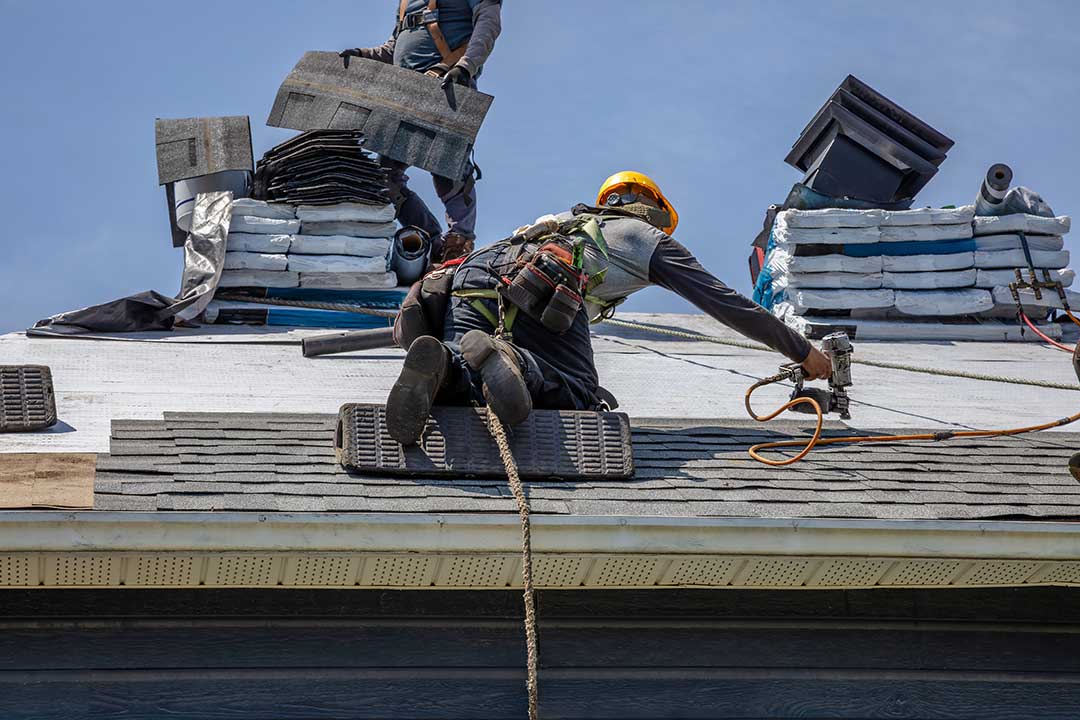
Understanding these practicalities helps residents balance functional needs—storage, future remodels, energy efficiency—with aesthetic goals for their homes.
Are There Local Challenges or Misconceptions About Roof Shape Choices?
In Spencerport, some residents assume that a steeper roof is always the best choice because it sheds snow efficiently. While steep slopes can help prevent winter buildup, the “best” shape depends on more factors, like orientation, house footprint, cost of materials, and overall home style.
Flat or low-slope roofs, while still uncommon for single-family homes, are sometimes selected for modern designs or certain additions. However, special attention must be paid to ensure proper waterproofing and drainage are in place. This doesn’t mean flat roofs are always trouble—just that they require a more careful approach in regions where freeze-thaw cycles are common.
Historic homes face another unique challenge: preserving the original roof shape for visual authenticity may mean higher maintenance needs or costs. Material upgrades and periodic inspections become more important to keep these unique shapes functioning well through local seasons.
What Should Residents Consider When Thinking About Changing Roof Shape?
Altering the roofline of an existing home is a significant project—both structurally and visually. It’s usually only pursued during major remodels or repairs. Some key considerations for the community include:
- Permitting and Code Compliance: Adjusting a roof shape may trigger specific local building codes or permit requirements, especially if changing roof height or altering drainage patterns.
- Neighborhood Context: A new roof shape can either harmonize with surrounding homes or stand out conspicuously. Balancing individual taste with neighborhood norms often leads to more satisfying results.
- Functionality: Think about how a new shape might alter interior spaces, affect window placement, or change natural light availability.
- Climate Adaptation: Roofs shaped for the area’s snow, wind, and temperature patterns often last longer and function more reliably.
Roof shape decisions are rarely about looks alone—they inform practicality, comfort, and even the long-term maintenance rhythm for area households.
