
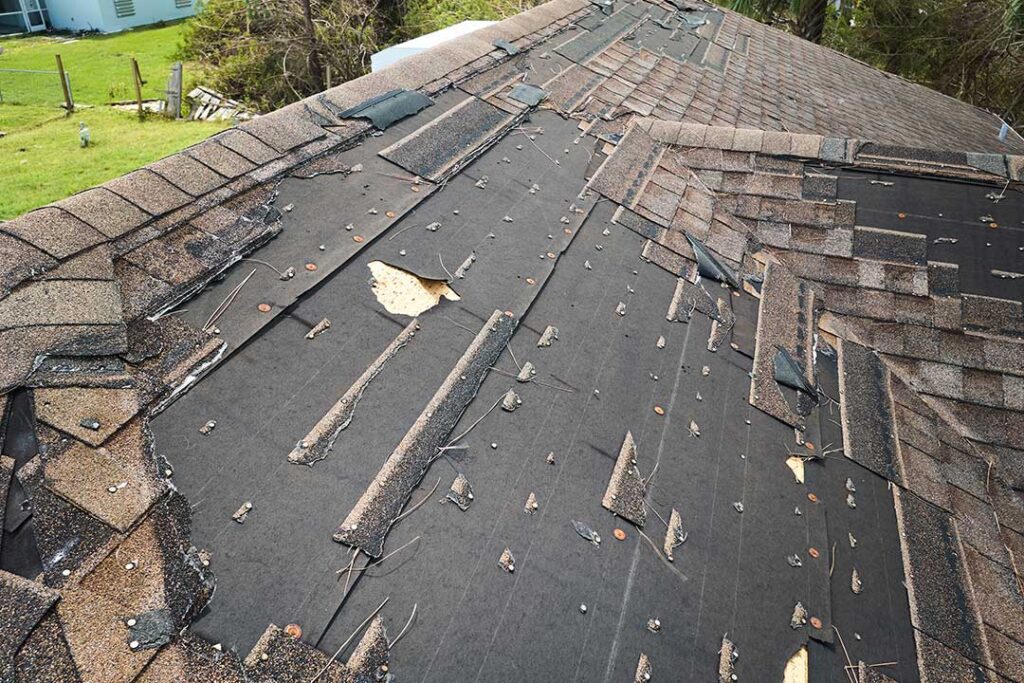
What Are the Most Frequent DIY Roof Repair Errors?
Many local homeowners attempt minor roof repairs themselves to save money, yet common oversights can turn small issues into bigger problems. The most frequent slip-ups happen because of rushed inspections, incomplete fixes, or using incompatible materials.
Residents often underestimate the complexity of roof systems, especially when ice dams, leaf buildup, or strong winds create hidden damage. Fixes may appear straightforward, but unseen water intrusion or poorly installed materials may leave a home vulnerable by the next storm.
Are Shortcuts in Roof Patch Repairs Really That Risky?
Shortcuts can significantly shorten the lifespan of a repair. For example, using tar or caulk as a go-to solution for every leak may stop water today but rarely lasts through changing seasons. Here’s what can go wrong:
- Only covering a damaged shingle or flashing without replacing underlying materials allows rot to spread out of sight.
- Failing to address soaked insulation or wood can lead to mold or warped decking.
- Overlapping new shingles directly on top of curled or cracked old ones tends to trap moisture.
The climate in Spencerport involves freeze/thaw cycles and wind-borne debris, so skipping key repair steps is more likely to backfire. Local roofs face stress from everything from heavy spring rains to ice buildup, making durable repairs essential.
How Does Improper Material Choice Affect Roof Longevity?
Choosing the wrong materials or mismatching repairs to the existing roof is a frequent error. For example, using nails that are too short or made of incompatible metal can cause fasteners to loosen or rust within a season. Residents might also select the wrong type of shingle, underlayment, or sealant:
- Standard hardware store sealants aren’t always rated for roof exposure and may break down in direct sun or cold.
- Asphalt shingles come in many grades, and patching with inconsistent materials stands out visually and functionally.
- If new material is lighter or less wind-resistant than the original, windstorms common to lake-effect regions can peel temporary patches away.
Consulting local hardware guidance or referencing product compatibility labels helps ensure a repair will last.
When Does Poor Preparation Lead to Bigger Repairs Later?
Many homeowners underestimate what’s needed to prep for a safe, thorough repair. Skipping these simple steps can let in water or create structural unevenness:
- Not clearing debris, moss, or old caulking prevents new patches from adhering.
- Failing to dry a roof surface leads to quick deterioration, especially in humid or rainy periods.
- Not using proper flashing at penetrations (chimneys, vents, satellite mounts) can allow water in at the seams, sometimes out of sight.
Spencerport houses often have multiple roof surfaces near trees or in shaded lots, so properly clearing and preparing these areas helps repairs last through seasonal cycles.
Can Local Weather Be Overlooked During Repairs?
Weather is a crucial and sometimes overlooked factor when repairing roofs in Spencerport. Making repairs during or just before rain, or when surfaces are wet or icy, can jeopardize a quality outcome. Even a small rushed job, like tacking down a shingle in a drizzle, may trap water under the material.
Shingles and sealants also require certain temperature ranges to bond fully—extreme cold or late fall repairs may need longer to cure, while hot summer sun can make materials sticky and difficult to adjust. Residents should always check weather forecasts and plan repairs for dry, temperate days when possible.
Are Safety Steps Commonly Skipped in Roof Repairs?
Ignoring safety is one of the biggest mistakes, with risks to both people and property. Some common oversights include:

- Climbing onto steep or slippery roofs without proper boots or harnesses.
- Placing ladders on uneven ground or near electrical lines.
- Underestimating the impact of moss or ice, which can be nearly invisible on north-facing slopes.
Simple measures, like using stabilizing devices or checking for overhead wires, can prevent accidents. Local emergency reports often mention falls from ladders or mishaps caused by unsteady footing, especially during windy spring or frozen winter periods.
How Can Small Leaks Become Bigger Problems?
It’s natural to want to fix only the obvious problem spot, like a wet ceiling tile or a leaking vent. However, only repairing what’s visible often leads to lingering hidden damage:
- Water can, and often does, run between roof layers, showing up far from its entry point.
- Minor leaks at eaves or valleys can saturate rafters, eventually leading to sagging or interior wall issues.
- Overlooking attic water stains or mildew can result in mold growth, which is costly and hazardous to remove.
A thorough check for water trails, especially in attics or crawl spaces after storms, gives a better picture of the real issue.
What Local Factors Should Homeowners Consider Before Starting Repairs?
Houses in this area often face conditions that don’t show up until the coldest or windiest times—think ice dams, gutter overflows, or lifting shingles after winter. Home design also plays a role:
- Roof pitch and complexity, especially on older structures, affect the way water flows and pools after rain.
- Local building codes may require certain nailing patterns or material grades, especially for wind resistance near the lake.
For any significant repairs or if safety is uncertain, checking with the local municipal building office about code and inspection requirements is wise.
