
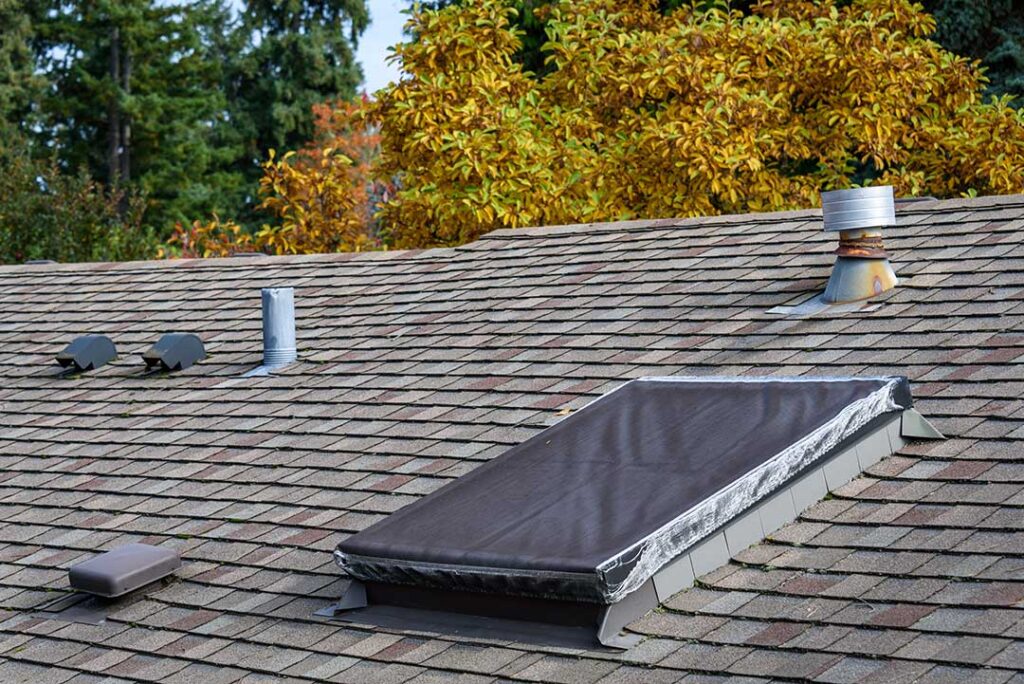
Which tools are useful for routine roof maintenance?
For most homeowners in Spencerport, NY, roof maintenance begins with observation rather than climbing. A small set of tools can help identify clogged drainage, damaged shingles, loose flashing, and moisture problems before they become larger repairs.
The most useful maintenance equipment includes:
- A sturdy extension ladder with level, stable footing
- Slip-resistant work gloves
- Safety glasses
- A flashlight or headlamp
- Binoculars for ground-level inspections
- A tape measure
- A digital camera or phone for documenting conditions
- A plastic roof rake for removing limited snow buildup
- A soft-bristle brush or small scoop for clearing debris
- A bucket or debris bag for gutter cleaning
- A hose with a gentle spray setting
- A flat pry bar and roofing hammer for limited ground-level repair work, if the homeowner understands their proper use
These tools are intended for inspection and light maintenance. They are not a substitute for specialized equipment or training when a roof is steep, icy, fragile, or difficult to access.
Is a ladder necessary for roof maintenance?
A ladder is useful for inspecting gutters, lower roof edges, and exterior wall areas, but it should not automatically be used to access the roof. A roof can be unsafe even when it looks dry and shallow, particularly after rain, frost, algae growth, or wind-driven moisture.
If using a ladder, place it on firm, level ground and keep the base clear of snow, mud, and loose landscaping material. The ladder should extend above the landing point sufficiently for a secure handhold. Never rest it against gutters, plastic trim, or visibly damaged roofing materials.
A ladder stabilizer, leveler, and a second person nearby can improve stability. However, these accessories do not eliminate the risk of falling. Avoid ladder work during strong winds, wet weather, freezing temperatures, or poor visibility.
For many homes, binoculars provide enough information to inspect roof surfaces from the ground. Look for missing shingles, lifted edges, exposed underlayment, sagging areas, dark moisture stains, and metal flashing that appears displaced.
What tools help with gutter and downspout maintenance?
Gutters and downspouts are part of the roof drainage system, so maintaining them is one of the most practical forms of roof care. Leaves, small branches, seed pods, and windblown grit can accumulate quickly, especially near mature trees.
A small plastic scoop removes compacted material more effectively than a gloved hand. A bucket attached to the ladder or a debris bag placed below the work area reduces repeated climbing. Gloves protect against sharp metal edges, insects, and decomposing organic material.
After removing debris, use a hose with a gentle spray to check whether water flows through the downspout. Avoid directing high-pressure water under shingles or against roof flashing. If water backs up, the obstruction may be located farther inside the downspout or at an underground outlet.
A straightedge or tape measure can help identify gutters that are visibly sagging. Water that remains pooled in a gutter after cleaning may indicate poor slope, a loose support, or a damaged section. These conditions can allow overflow against fascia boards and exterior walls.
What tools are best for checking roof leaks?
A flashlight, moisture meter, tape measure, and camera are useful for tracing possible leaks inside the home. The visible ceiling stain is not always directly below the roof opening. Water can travel along rafters, roof decking, insulation, and framing before appearing indoors.
During an attic inspection, use a flashlight to examine:
- Darkened or water-marked roof decking
- Damp insulation
- Rusted fasteners
- Wet framing
- Daylight visible through the roof surface
- Condensation near vents or roof penetrations
- Mold-like spotting or musty areas
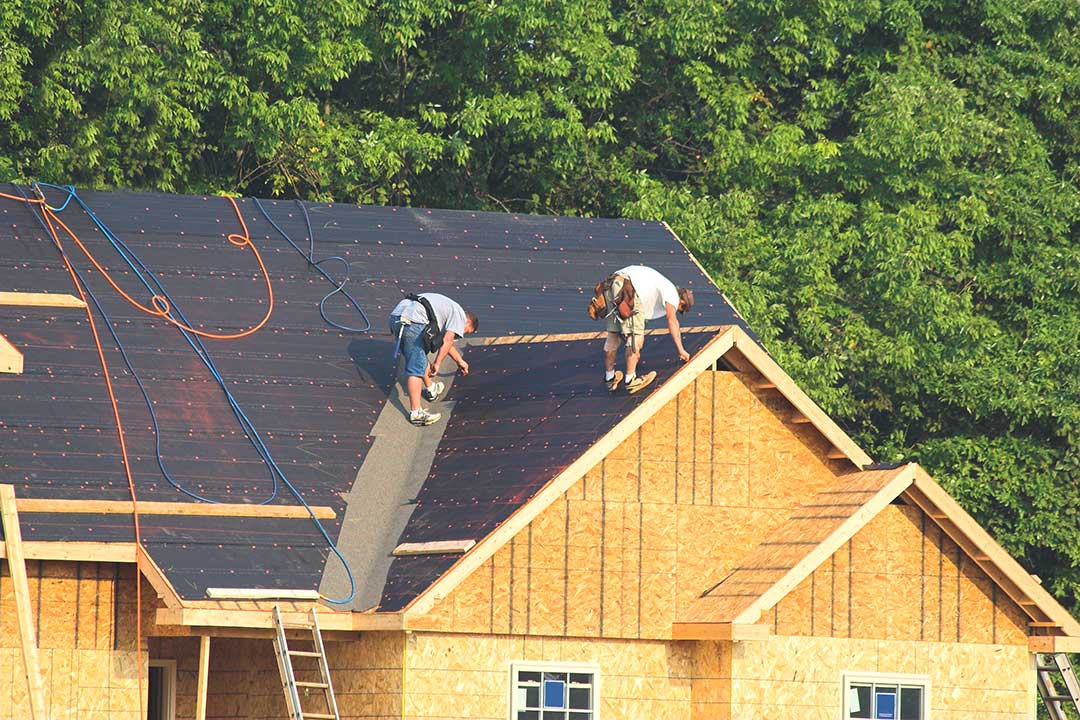
A moisture meter can help compare suspicious areas with nearby dry materials, but readings require interpretation. High moisture may come from a roof leak, plumbing, indoor humidity, or condensation. A camera is valuable for recording the location and appearance of a problem, especially if weather conditions change before the source is found.
Do not press against weak or stained roof decking. If the attic floor is incomplete, use only secure walking surfaces and avoid stepping between framing members.
Are special tools needed for snow and ice?
Winter conditions require different tools and stricter limits. A roof rake with a long handle can remove some snow from the lower roof edge while the operator remains on the ground. A plastic or rubber-edged head is less likely to damage shingles than a metal tool.
Roof rakes should be used carefully. Pulling snow aggressively can scrape granules from shingles, damage gutters, or pull loose roofing materials away from the roof. Removing every bit of snow is not necessary. The goal is to reduce excessive buildup where conditions allow safe, controlled work.
Never chip ice from shingles with a hammer, hatchet, or sharp metal tool. Ice dams may be caused by heat loss and uneven roof temperatures, so breaking the ice can damage roofing and create openings for water. Indoor attic insulation, air sealing, and ventilation conditions may need attention instead.
Snow and ice also make ladders and roof surfaces especially dangerous. Do not climb onto a snowy or icy roof for routine maintenance.
What protective equipment should homeowners use?
Protective equipment reduces minor injuries but does not make hazardous roof work safe. Basic equipment includes gloves with a good grip, safety glasses, sturdy footwear, and clothing appropriate for changing weather.
A hard hat may be useful when working below a roof edge or beneath overhead branches. Hearing protection can help when using loud powered equipment, although powered blowers and pressure washers are generally poor choices for routine shingle maintenance.
Avoid loose clothing, unsecured tools, and carrying heavy objects while climbing. A tool belt or ground-based tool placement is safer than holding items in both hands on a ladder. Keep children and pets away from the work area, particularly when clearing gutters or handling dropped debris.
Which tools should not be used on shingles?
Several common household tools can damage roofing materials. High-pressure washers, stiff wire brushes, metal snow shovels, sharp ice picks, and aggressive scraping tools may remove protective granules or puncture the roof surface.
A soft brush is generally safer for limited surface debris, but even gentle cleaning should not involve walking across brittle, loose, or algae-covered shingles. Chemical cleaners can also affect roofing, plants, siding, and metal components if applied improperly.
Roofing materials vary by age, type, and condition. A tool that is acceptable for one surface may damage another. Older shingles can become brittle, while low-slope areas may have membranes or coatings that require different handling.
When is roof maintenance too hazardous for do-it-yourself work?
Routine inspection is generally limited to ground-level observation, accessible attic areas, and carefully performed gutter maintenance. More hazardous conditions include steep slopes, wet or icy surfaces, damaged decking, exposed electrical equipment, active leaks near wiring, structural sagging, and roofs that cannot be reached without walking on the roofing material.
Professional assistance is warranted when safe access, structural stability, or specialized repair knowledge is uncertain. The same applies after major wind, hail, falling branches, or heavy snow events. A roof can look intact from the ground while concealed damage affects the decking or flashing.
The most effective maintenance tool is often a consistent inspection routine: check visible roof edges in spring and fall, clear drainage paths before heavy rain, inspect the attic after unusual moisture, and document changes with photographs. Careful observation can identify developing problems without turning a routine check into an unnecessary climb.
