
Why Should Spencerport, NY Homeowners Recycle Roofing Materials?
Recycling old roofing materials helps the community reduce landfill waste and conserve resources. Many roofing products—including asphalt shingles, metal, slate, and tiles—can be given a second life instead of becoming garbage, especially for a town with well-established neighborhoods and numerous older homes like Spencerport, NY. Recycling conserves landfill space, lowers disposal costs, and keeps potentially hazardous materials out of the soil and groundwater.
Can Asphalt Shingles Be Recycled Locally?
Yes, asphalt shingles are recyclable, but the process requires special handling. Asphalt shingles account for a significant volume of roofing waste and contain petroleum-based materials that are valuable in paving roads or producing new roofing products.
In the Spencerport area:
- Some construction debris recycling centers and regional facilities accept separated asphalt shingles.
- Shingles must be free of nails, wood, flashing, or non-asphalt materials for efficient processing.
- Weathered or mossy shingles are usually acceptable, but painted or heavily contaminated materials may be rejected.
- Residents should check municipal transfer station guidelines for specific sorting requirements or seasonal collection dates.
How Do You Prepare Roofing Materials for Recycling?
Preparing roofing materials properly is essential for recycling. Sorting and cleaning facilitate safe handling and maximize the potential for reuse.
Practical preparation steps include:
- Separate asphalt shingles from metal flashings, underlayment, wood decking, and other debris.
- Pull out large metal pieces such as nails; some facilities use magnets to remove small fasteners.
- Bag up dust, grit, and loose granules to reduce mess during transport.
- Keep different material types (asphalt, metal, slate, tile) in clearly labeled piles or containers.
- Avoid mixing hazardous materials, such as asbestos-containing tiles or old tar paper, as these require special procedures.
Homeowners who handle their own tear-off projects should wear gloves and masks to avoid injury or dust inhalation.
What Roofing Materials Are Commonly Recyclable in the Community?
Households in Spencerport typically encounter these roofing materials:
- Asphalt shingles: Common on single-family homes; widely recyclable as paving material.
- Metal roofing: Includes aluminum, steel, and copper. Metal is valuable and easily recyclable at scrap yards.
- Clay and concrete tiles: May be accepted at construction recycling centers; can be crushed for use in road bedding or landscaping.
- Slate: Durable stone can sometimes be salvaged for reuse as roofing, flooring, or garden paths.
Wood shakes or shingles are less commonly recycled; most must be disposed of, but untreated wood may be composted or chipped at some local sites. Materials known or suspected to contain asbestos (sometimes found in older roofing felt or tiles) require coordination with municipal hazardous waste programs.
Where Can Residents of Spencerport Recycle Roofing Debris?
Roofing debris is not collected as part of regular household recycling or curbside garbage. Options for responsible disposal and recycling may include:
- Local transfer stations: Some accept separated construction and demolition materials during regular or special drop-off days. Always call ahead to confirm acceptable items.
- Construction and demolition debris recyclers: Facilities serving the region process shingles and other roofing materials for reuse.
- Municipal solid waste events: Spencerport periodically hosts household hazardous waste and bulk item drop-off events, where roofing debris might be accepted if sorted by material type.
- Metal scrap yards: Area scrap buyers will pay for clean metal roofing, gutters, and flashing.
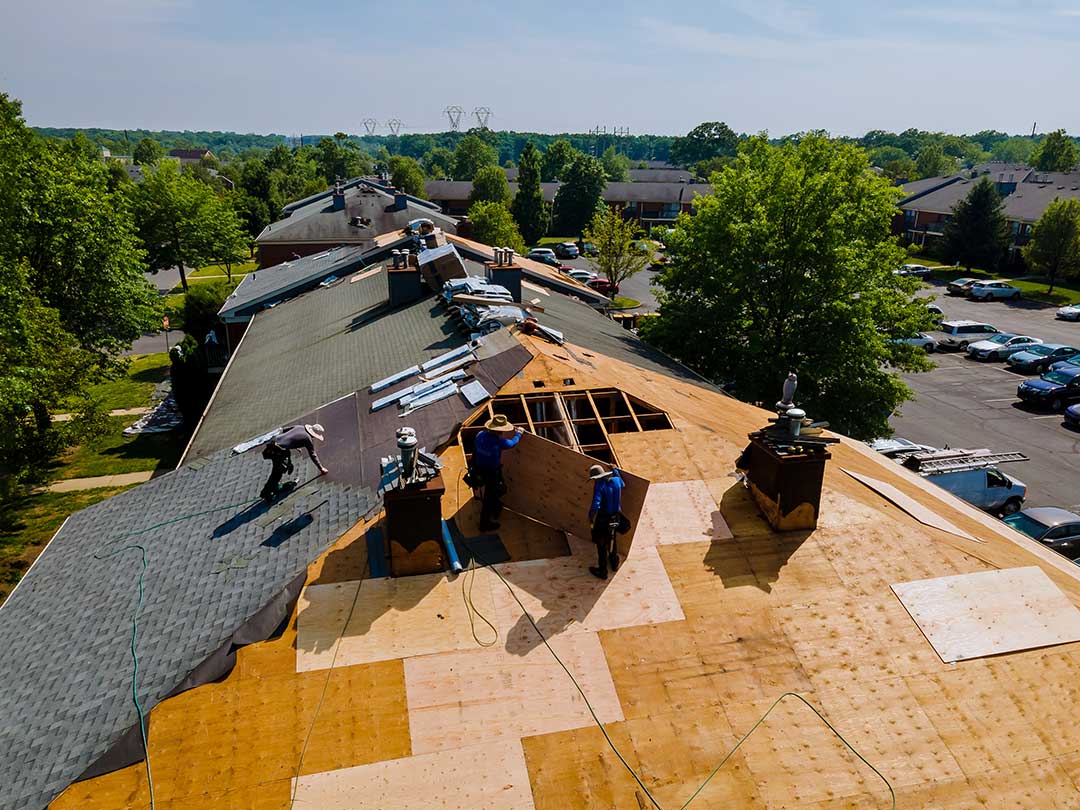
Consult the Monroe County recycling or public works department for updates on local collection programs and facility rules, especially as policies may change with seasons or environmental goals.
Are There Limitations or Regulations for Roofing Material Disposal?
New York State law restricts some roofing waste, such as asbestos or lead paint debris, from conventional landfills or recycling centers. Homeowners who suspect their roofing contains hazardous substances should never attempt to dispose of it with general yard waste or household trash.
Common rules in the Spencerport area include:
- Only clean, separated debris is eligible for recycling.
- Mixed loads may be rejected or sent to landfill at higher cost.
- Proof of residency may be required at public drop-off facilities.
- Large quantities (from major reroofing projects) may need to be hauled by permitted waste transporters.
Reviewing current local ordinances via the Spencerport municipal website or county waste authority helps residents comply safely.
What Happens to Recycled Roofing Materials After Drop-Off?
Recycled roofing materials get processed into new products through:
- Asphalt shingles: Ground up and mixed into asphalt for road projects, patching, or paving.
- Metal roofing: Melted and re-cast into new construction products, machinery, or consumer goods.
- Tiles and slate: Crushed for use as aggregate in landscaping, fill, or new building materials.
This circular approach benefits the local environment by conserving resources and reducing hauling distances to distant landfills.
What Are Some Common Pitfalls or Misconceptions?
Many residents believe all old shingles must go to the dump, but recycling is available and practical for most common roofing types. Another misconception is that minor moss or debris makes shingles unrecyclable; in reality, minor soiling is acceptable if materials are sorted and free of trash.
It's important to note that many local facilities may not accept roofing waste mixed with household garbage or bulk items. Confirm specific acceptance rules before loading your vehicle to avoid wasted trips or potential dumping violations.
How Can Recycled Roofing Materials Benefit Spencerport Residents?
Recycling roofing debris supports the area’s sustainability efforts, keeps neighborhoods cleaner, and can even reduce road repair costs when shingles are reused for pavement. For homeowners, knowing how to divert waste responsibly from local projects is one small but impactful way to contribute to the health and beauty of the city.
